

Introduction
Kruger National Park is one of the most important wildlife reserves in Africa, offering an unmatched opportunity to experience nature in its purest form. The park is known for its rich biodiversity, wide open landscapes, and strong conservation efforts. Every visit to Kruger is a journey into a carefully protected environment where wildlife and nature exist in balance.
Wildlife Encounters in the Park
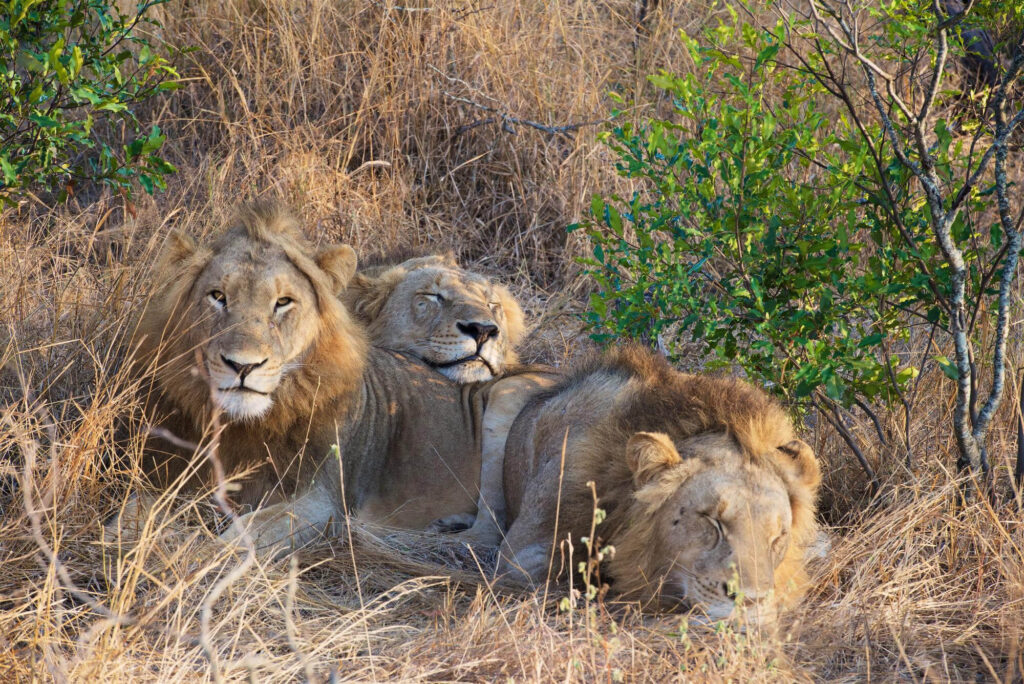
Kruger National Park is home to an extraordinary range of animals. Large mammals such as elephants, lions, and buffalo move freely across the park, while predators like leopards and cheetahs rely on their instincts to survive. These animals are part of a complex ecosystem where each species plays a specific role.
Smaller mammals, reptiles, and insects are equally important. They contribute to the food chain and support the overall health of the environment. Observing wildlife in Kruger allows visitors to understand how animals interact with one another and adapt to their surroundings.
The Role of Vegetation and Ecosystems
The park’s ecosystems are shaped by diverse vegetation zones and natural water sources. Grasslands support grazing animals, while wooded areas provide shelter for predators and birds. Rivers and seasonal waterholes attract wildlife throughout the year, making them key areas for observation.
These ecosystems are interconnected. Changes in rainfall or vegetation can affect animal movement and behavior. This natural balance highlights the importance of protecting habitats to ensure wildlife survival.
Activities Focused on Nature Awareness
Activities inside Kruger National Park are designed to enhance understanding of nature. Guided game drives offer insight into animal behavior, migration patterns, and survival strategies. Early mornings and late afternoons are especially valuable times for observing wildlife activity.
Educational walks allow visitors to focus on details such as animal tracks, plants, and bird sounds. These experiences encourage respect for the environment and promote awareness of conservation practices.
Conservation Efforts and Education
Conservation is central to Kruger National Park’s mission. The park works continuously to protect endangered species and preserve natural habitats. Monitoring programs and research help track animal populations and environmental changes.
Education plays a vital role in conservation. Visitors learn about wildlife protection, human impact on ecosystems, and the importance of sustainable tourism. This knowledge helps build long-term support for conservation initiatives.
Seasonal Changes and Wildlife Behavior
Each season in Kruger National Park offers a different perspective. Dry periods often make wildlife sightings more frequent near water sources, while wetter months bring renewed vegetation and breeding activity. These seasonal changes affect animal behavior and movement patterns.
Understanding these cycles helps visitors appreciate the natural rhythm of the park. No two visits are the same, as nature continuously evolves.
The Value of Preserving Kruger National Park
Kruger National Park stands as a symbol of successful wildlife conservation. Its protected status ensures that future generations can continue to learn from and enjoy the natural world. The park serves as a reminder of the importance of respecting and protecting nature.
Conclusion
Kruger National Park provides a meaningful wildlife experience centered on nature, education, and conservation. Its diverse ecosystems and thriving animal life offer valuable insight into the natural world. By focusing on preservation and awareness, the park remains one of Africa’s most significant natural treasures.